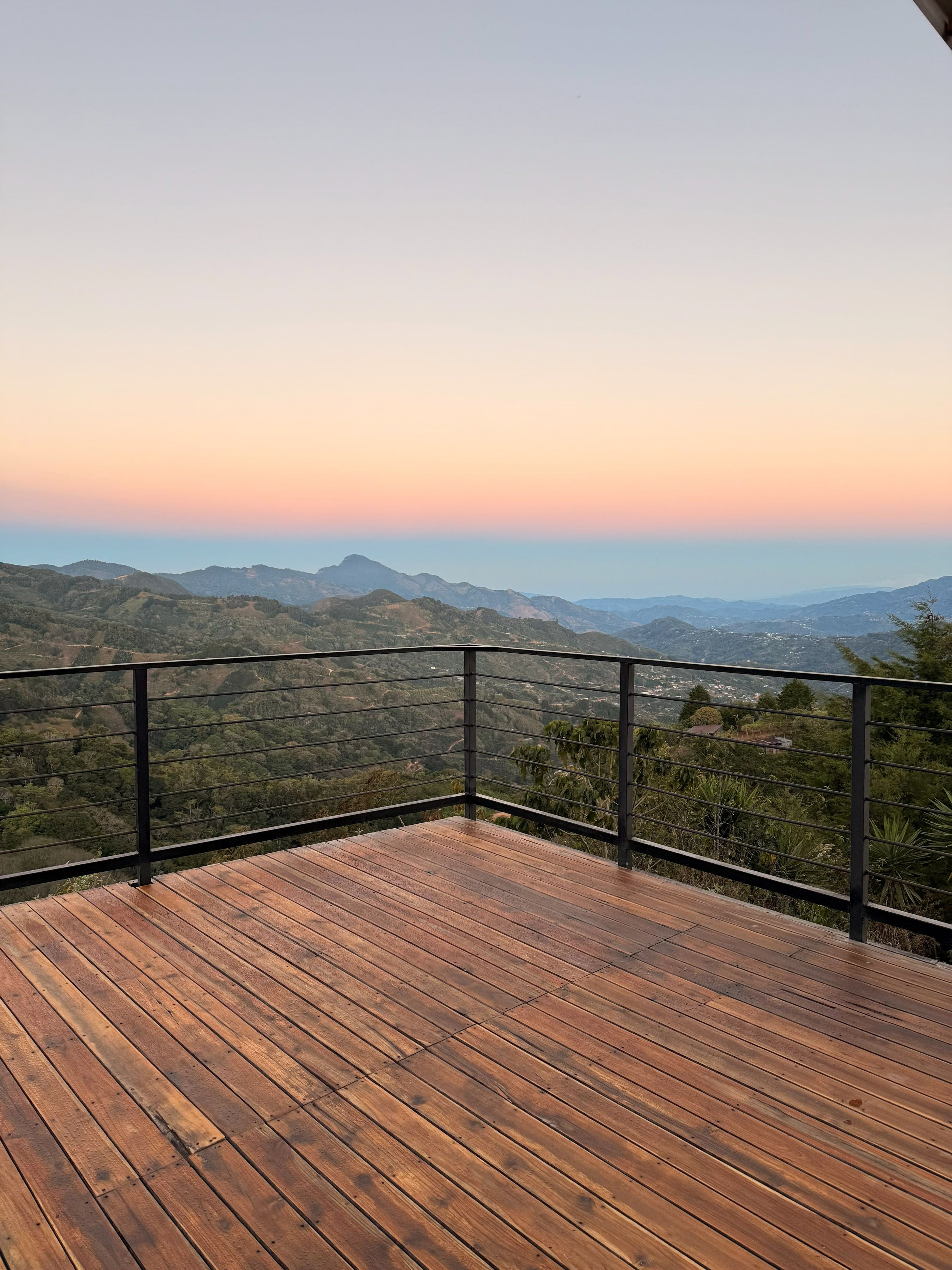


The wooden deck of Domo Akari at sunrise, looking out over layered mountain ridges under a pastel sky

Cedral de León Cortés · Costa Rica

Domo Akari

A mountain retreat above the clouds

A geodesic dome at about 2,100 metres, on El Camino de Costa Rica.

Altitude
≈ 2,100 m above sea level
El Camino de Costa Rica
Stage 12 · El Camino de Costa Rica
Coordinates
9°43′ N · 84°00′ W
Scroll

01The Dome

Stay closer to nature.

Domo Akari is a family-run geodesic dome lodge in the mountains of El Cedral, León Cortés, about 2,100 metres above sea level. Mornings open onto the valleys, nights close under the stars, and in between there is fresh mountain air, birdsong and time to slow down.

  1. Orange and pink clouds glowing above layered mountain ridges and misty valleys
    01

    Panoramic views

    From the terrace lookout, ridges unfold in every direction — on clear days all the way to the Cerros de Escazú and Irazú Volcano — and the view shifts with the light from hour to hour.

  2. 02

    Mountain air at 2,100 m

    Cool mornings, clear air and the quiet of a small mountain community. Bring a warm layer; the evenings are made for it.

  3. 03

    Terraces & a private viewpoint

    Covered and open terraces for slow breakfasts and long conversations, and a private viewpoint for watching the clouds drift across the valley.

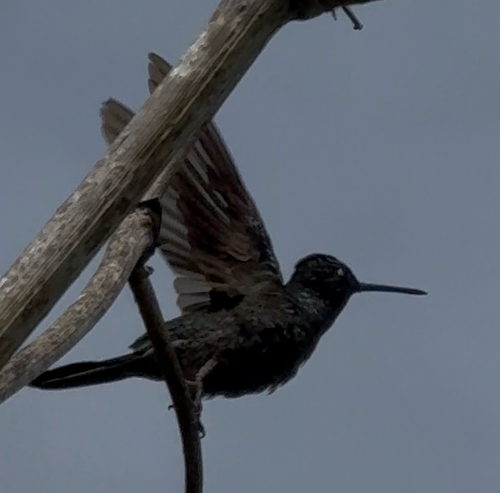
  4. Talamanca Hummingbird (Eugenes spectabilis)
    Talamanca Hummingbird · Eugenes spectabilis
    04

    Wildlife on the doorstep

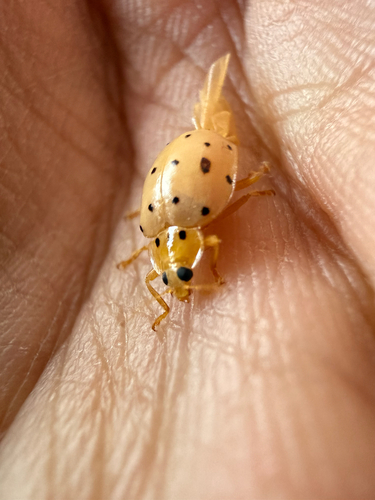
    Hummingbirds, toucanets and woodpeckers; butterflies, moths and mushrooms. We record what we find in our field journal — 51 species so far.

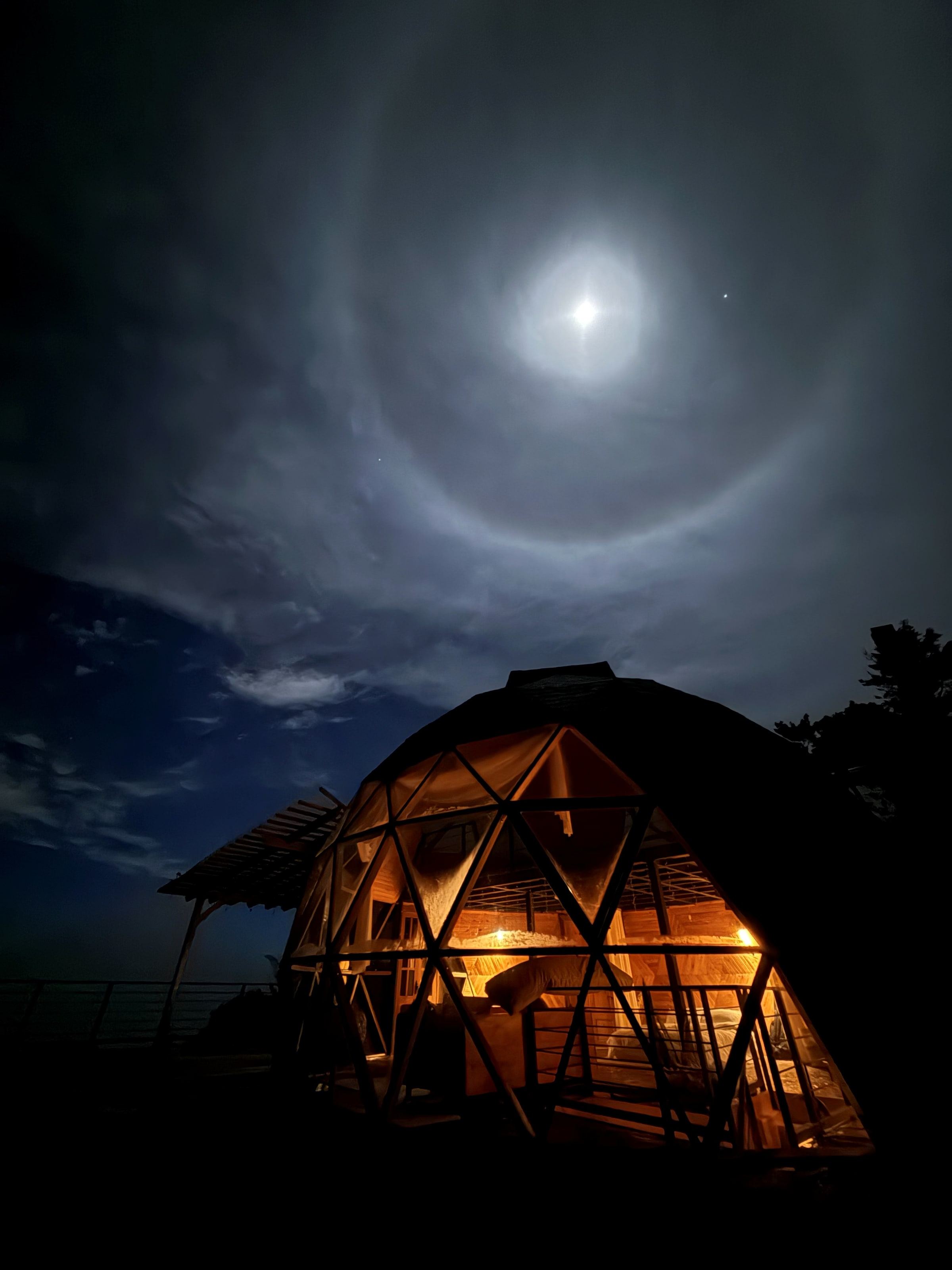
  5. The wooden deck of Domo Akari at night, with the moon over the valley and the dome’s triangular frame lit from inside
    05

    Nights under the stars

    Far from city lights, clear nights bring a sky full of stars. Step out onto the terrace and look up.

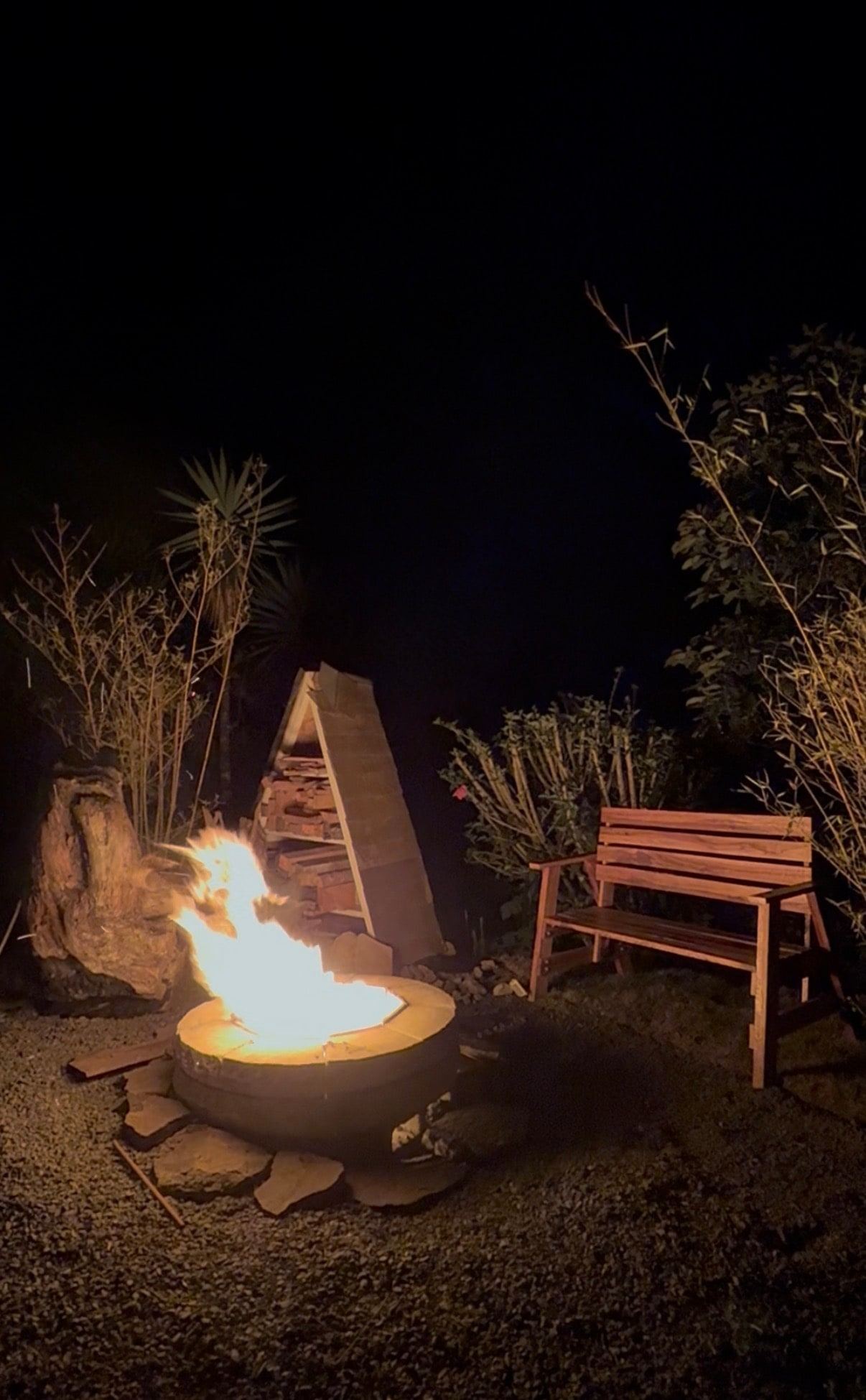
  6. A fire burning in the fire pit beside a wooden bench and a stack of firewood at night
    06

    Room to disconnect

    Hike, read, cook, watch the weather roll in. Nothing here asks to be rushed.

metres above sea level
≈2,100
Stage of El Camino de Costa Rica
12
species recorded on the property
51
ways to stay
2

02Stay

Two ways to stay

Pass through for a night on the trail, or make the whole dome yours. Rates and availability are confirmed personally by your hosts.

Option 01

Bed & Breakfast

For hikers & travellers

A comfortable overnight stay without reserving the whole property — ideal if you are walking El Camino de Costa Rica or exploring the mountains of Los Santos.

What’s included

  • Comfortable sleeping arrangements
  • Breakfast included or available as an extra, depending on your package
  • Access to the designated shared facilities
  • Hot showers, laundry and Wi-Fi after a day on the trail
  • A warm, family-run welcome for Camino hikers
Guests
Occupancy on request
Rate
Rates on request

Tell us how many you are and we'll confirm the best arrangement.
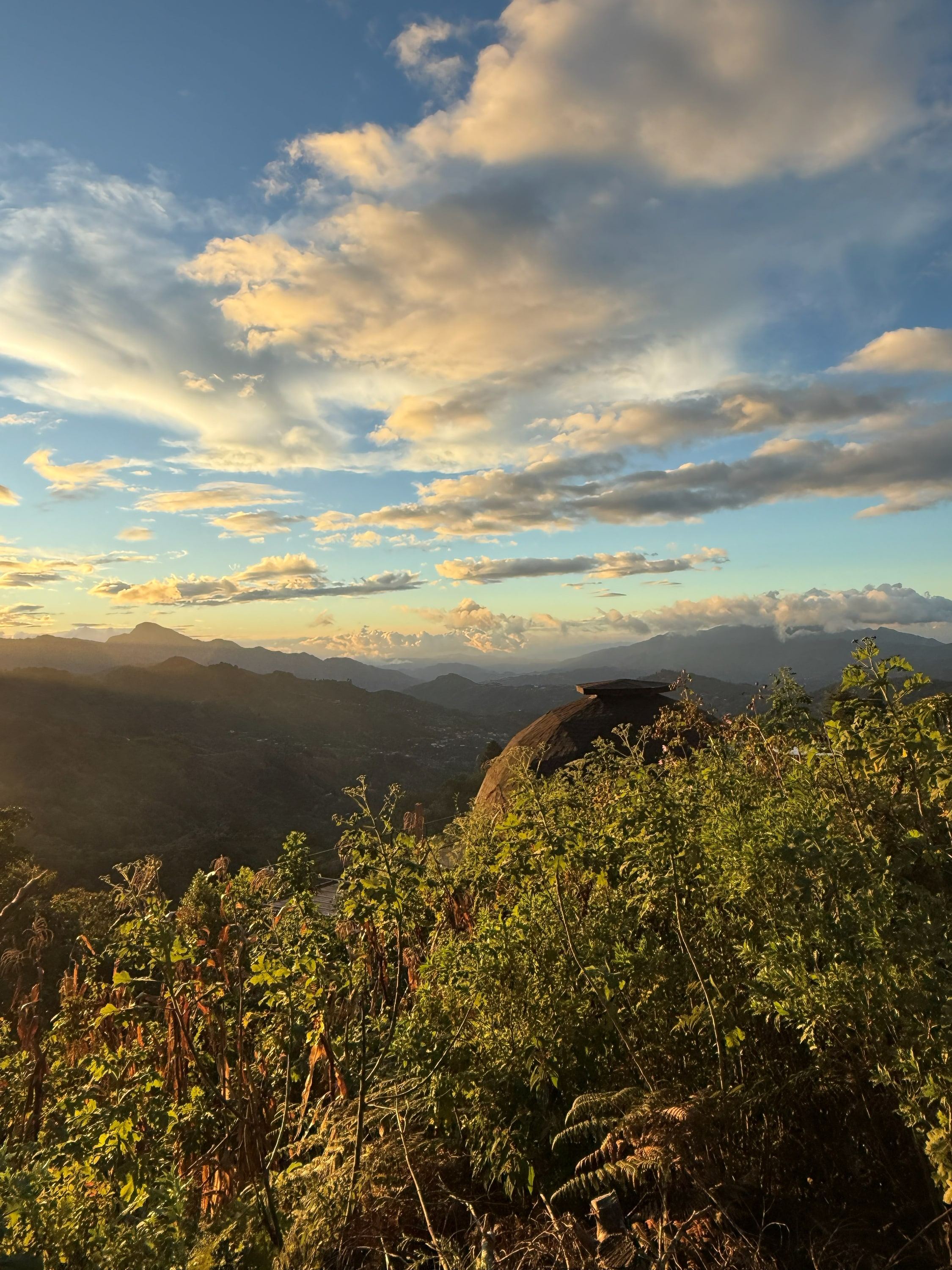
The geodesic dome among the vegetation at golden hour, with mountain ridges and clouds behind it

Option 02

The Whole Property

Exclusive rental for families & groups

Reserve all of Domo Akari for a private stay with the people you love — the dome, the terraces and the view, just for you.

What’s included

  • Exclusive use of the dome
  • Accommodation for groups and families
  • Fully equipped modern kitchen
  • Two full bathrooms with hot water
  • Spacious indoor living area
  • Covered and open terraces
  • Private viewpoint
  • Outdoor relaxation areas
  • Laundry, Wi-Fi and cell coverage
  • Covered space for additional camping
Guests
Up to 8 guests
Rate
Rates on request

Up to 8 guests indoors, with covered space for additional camping.

04Field Journal

A living record of the mountain

Every species we photograph around the dome goes into this journal, through iNaturalist. It grows a little with every walk.
species
51
kinds of organisms
84
observations
89
Observed
since February 2022
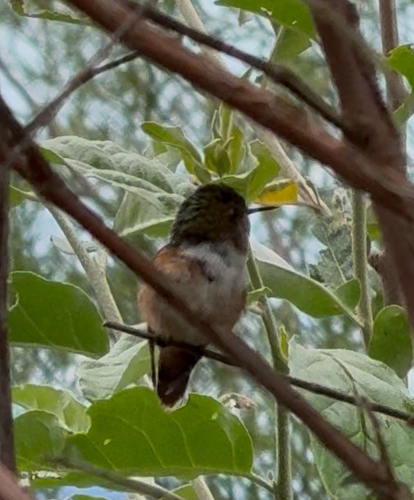
  1. Talamanca Hummingbird (Eugenes spectabilis)

    Birds

    Talamanca Hummingbird

    Eugenes spectabilis

    • Awaiting community ID

    The admirable hummingbird or Talamanca hummingbird (Eugenes spectabilis) is a large hummingbird. Some taxonomic authorities, such as the International Ornithological Committee, split the magnificent hummingbird into two species, in which case the nominate fulgens is renamd Rivoli's hummingbird, and spectabilis is named the admirable hummingbird. Other taxonomic authorities have not recognized the split. The admirable hummingbird's range is Costa Rica to Panama.

    Field noteFound only in the highlands of Costa Rica and western Panama. Long treated as part of the Magnificent Hummingbird, it was recognised as a species of its own in 2017.

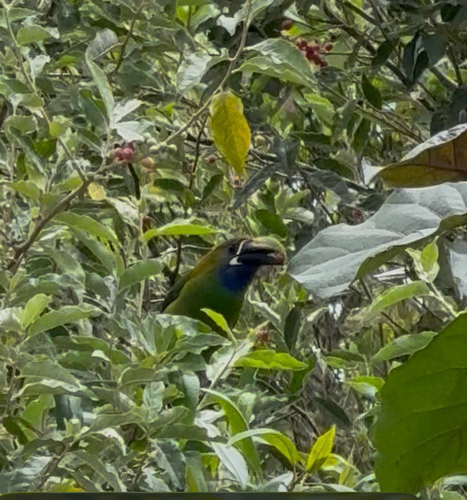
  2. Northern Emerald-Toucanet (Aulacorhynchus prasinus)

    Birds

    Northern Emerald-Toucanet

    Aulacorhynchus prasinus

    • Research grade

    The emerald toucanet or northern emerald toucanet (Aulacorhynchus prasinus) is a species of near-passerine bird in the Ramphastidae family occurring in mountainous regions of Mexico and Central America. Several taxa formerly included within this species have now been re-classified into separate species of their own (see Taxonomy).

    Field noteA small green toucan of highland forests. It eats mostly fruit, but also insects and, now and then, the eggs and nestlings of other birds.

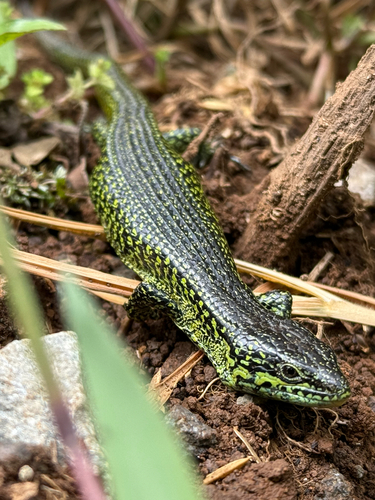
  3. Montane Alligator Lizard (Abronia monticola)

    Reptiles & amphibians

    Montane Alligator Lizard

    Abronia monticola

    • Research grade

    Abronia monticola or montane alligator lizard is a species of lizard in the family Anguidae. The species is found in Costa Rica and Panama.

  4. No photograph yet

    Birds

    Resplendent Quetzal

    Pharomachrus mocinno

    • Reported nearby

    An iridescent green trogon of Central American cloud forests. In the breeding season, males carry long trailing tail coverts.

    Field noteQuetzals feed heavily on wild avocados and other fruits of the laurel family, swallowing them whole and dispersing the seeds through the forest.

    Reported nearbyRecorded in El Cedral on 27 February 2023, about a kilometre from the dome (eBird record, published through GBIF).

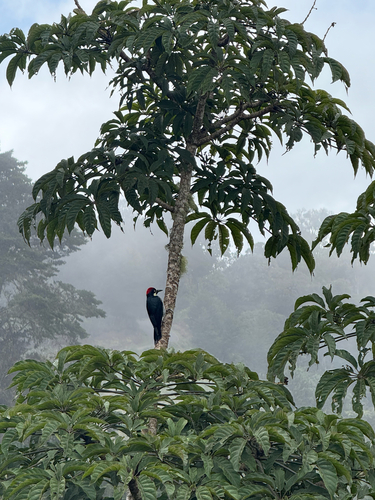
  5. Acorn Woodpecker (Melanerpes formicivorus)

    Birds

    Acorn Woodpecker

    Melanerpes formicivorus

    • Research grade

    The acorn woodpecker (Melanerpes formicivorus) is a medium-sized woodpecker, 21 cm (8.3 in) long, with an average weight of 85 g (3.0 oz).

    Field noteAcorn woodpeckers live in family groups that store acorns in holes drilled into a tree — a "granary" the whole group defends.

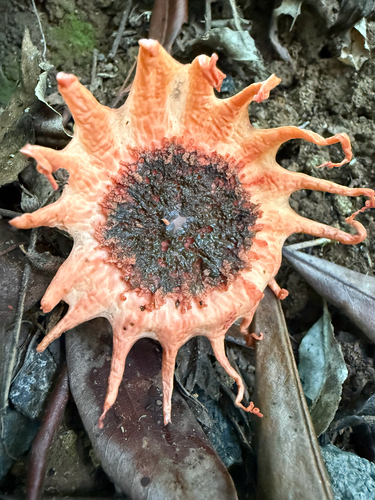
  6. Anemone stinkhorn fungus (Aseroe rubra)

    Fungi

    Anemone stinkhorn fungus

    Aseroe rubra

    • Research grade

    Aseroe rubra, commonly known as the anemone stinkhorn, sea anemone fungus and starfish fungus, is a common and widespread basidiomycete fungus recognizable for its foul odour of carrion and its sea anemone shape when mature. Found in gardens on mulch and in grassy areas, it resembles a red star-shaped structure covered in brownish slime on a white stalk. It attracts flies, which spread its spores.

    Field noteIts red, star-shaped fruiting body smells of carrion — a lure for flies, which carry its spores away.

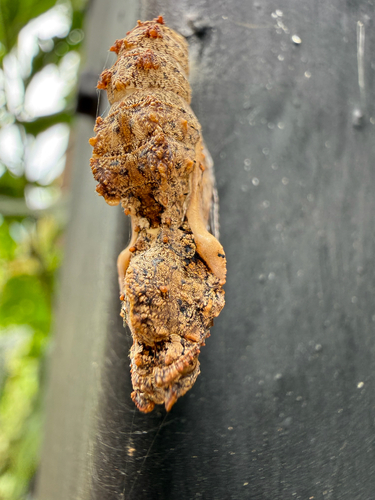
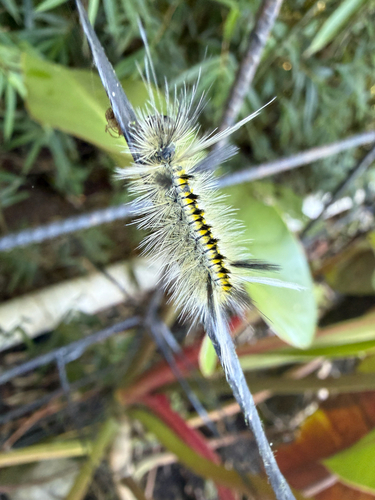
  7. Coa Jewel Caterpillar Moth (Acraga coa)

    Butterflies & moths

    Coa Jewel Caterpillar Moth

    Acraga coa

    • Research grade

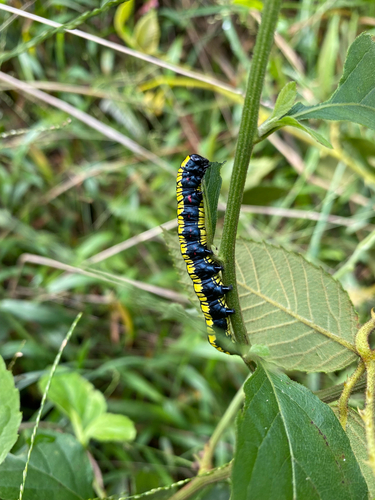
    Acraga coa is a moth of the Dalceridae family. It is found in southern Mexico, Belize, Honduras, Guatemala, El Salvador, Costa Rica and Panama. The habitat consists of tropical wet, tropical moist, tropical premontane wet, tropical premontane rain, tropical lower montane moist, subtropical wet, subtropical moist, subtropical dry and warm temperate wet forests.

    Field noteIts caterpillar is covered in translucent, jelly-like tufts — the reason moths of this family are called "jewel caterpillar" moths.

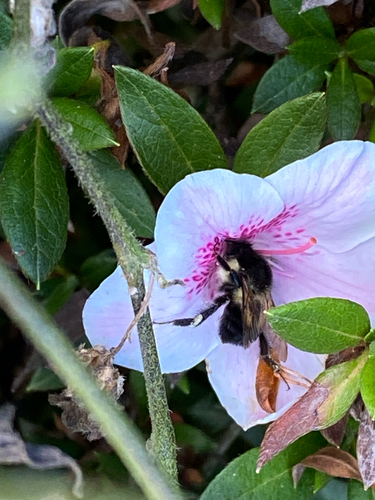
  8. Mesoamerican Bumble Bee (Bombus ephippiatus)

    Insects & arachnids

    Mesoamerican Bumble Bee

    Bombus ephippiatus

    • Research grade

    Bombus ephippiatus is a species of bumblebee native to Mexico and Central America.

    Field noteA highland bumble bee found from Mexico to Panama, and an important pollinator of mountain flowers.

  9. No photograph yet

    Mammals

    Jaguar

    Panthera onca

    • Reported nearby

    The largest cat in the Americas. Shy and mostly active at night, jaguars roam widely through forested mountain landscapes.

    Reported nearbyIn April 2022 a neighbour in El Cedral reported a jaguar with cubs near his home, as covered by the regional news site Los Santos Digital.

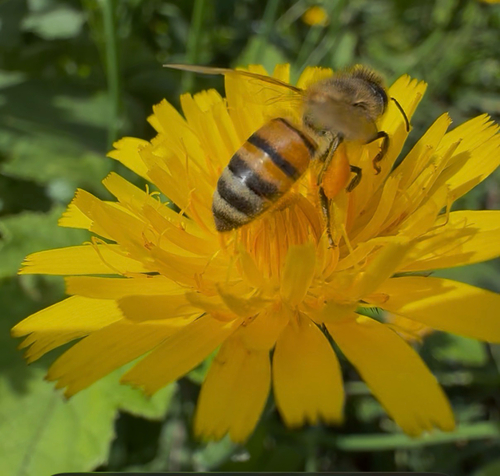
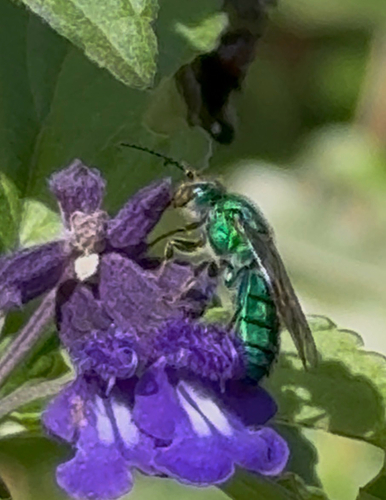
  10. Western Honey Bee (Apis mellifera)

    Insects & arachnids

    Western Honey Bee

    Apis mellifera

    • Research grade
    • Introduced

    The western honey bee or European honey bee (Apis mellifera) is the most common of the 7–12 species of honey bee worldwide. The genus name Apis is Latin for "bee", and mellifera is the Latin for "honey-bearing", referring to the species' production of honey for the winter.

  11. Juno Silverspot (Dione juno)

    Butterflies & moths

    Juno Silverspot

    Dione juno

    • Research grade

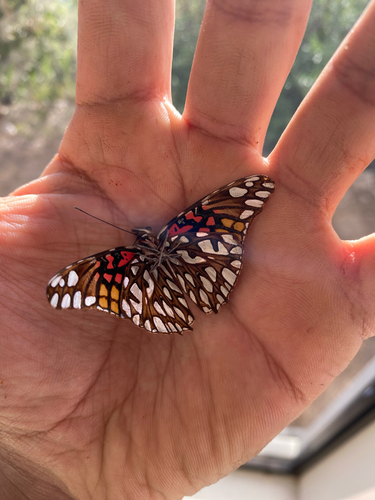
    Dione juno, the Juno silverspot, juno longwing, or Juno heliconian, is a species of butterfly of the subfamily Heliconiinae in the family Nymphalidae found from southern United States to South America.

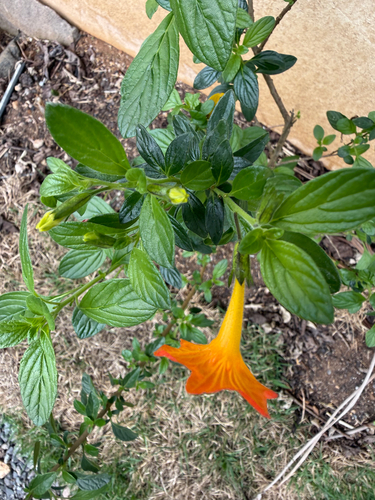
  12. Marmalade-bush (Streptosolen jamesonii)

    Plants & trees

    Marmalade-bush

    Streptosolen jamesonii

    • Research grade
    • Introduced

    Streptosolen is a genus of flowering plants with a single species, Streptosolen jamesonii, the marmalade bush. It is an evergreen shrub of the Solanaceae family that produces loose clusters of flowers gradually changing from yellow to red as they develop, resulting in an overall appearance resembling orange marmalade (thus the name), found in open woodlands of Colombia, Ecuador, and Peru.

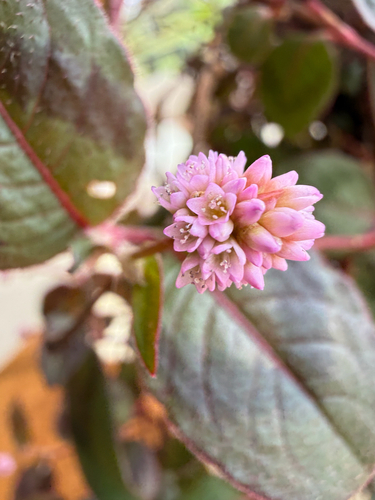
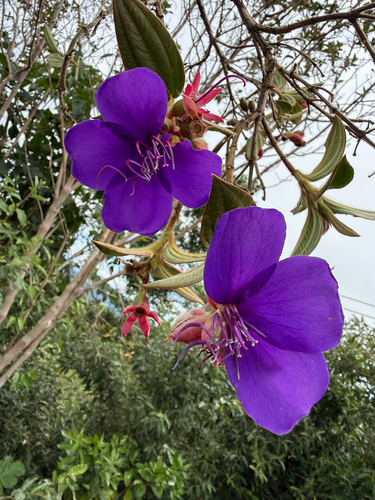
  13. Pink knotweed (Persicaria capitata)

    Plants & trees

    Pink knotweed

    Persicaria capitata

    • Research grade
    • Introduced

    Persicaria capitata, the pink-headed persicaria, pinkhead smartweed, pink knotweed, Japanese knotweed, or pink bubble persicaria, is an Asian species of plants in the Persicaria genus within the buckwheat family. It is native to Asia (China, Indian Subcontinent, Indochina) and grown as an ornamental in other countries. It has become naturalized in Australia, South Africa and a few scattered locations in the United States.

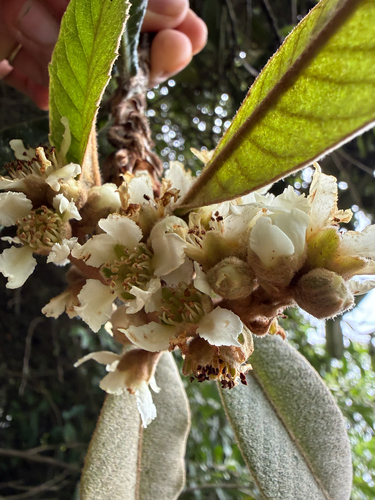
  14. Loquat (Eriobotrya japonica)

    Plants & trees

    Loquat

    Eriobotrya japonica

    • Research grade
    • Introduced

    The loquat (Eriobotrya japonica) (from Cantonese Chinese: 盧橘; Jyutping: lou4gwat1, nowadays called Chinese: 枇杷; pinyin: pípá; Jyutping: pei paa) is a species of flowering plant in the family Rosaceae, a native to the cooler hill regions of China to south-central China. It is also quite common in Japan, Korea, hilly Regions of India (Himachal), Northern Areas of Pakistan and some can be found in some Northern part of the Philippines, and hill country in Sri Lanka.

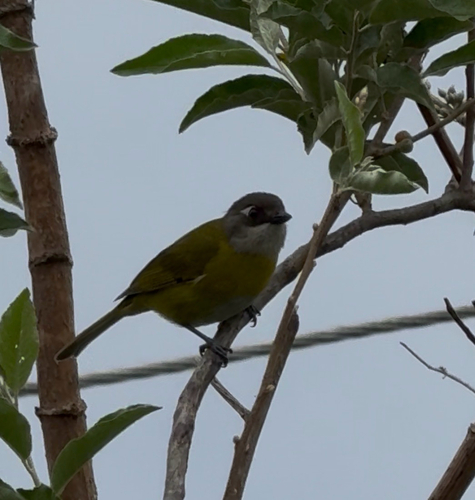
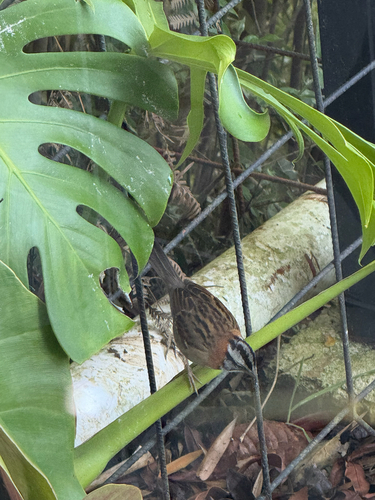
  15. Common Chlorospingus (Chlorospingus flavopectus)

    Birds

    Common Chlorospingus

    Chlorospingus flavopectus

    • Research grade

    The common bush tanager (Chlorospingus flavopectus), also referred to as common chlorospingus, is a small passerine bird. It is a resident breeder in the highlands from central Mexico south to Bolivia and northwest Argentina. C. flavopectus in the loose sense is a notorious cryptic species complex, and several of the up to 25 subspecies recognized in recent times are likely to be distinct species. Some populations in fact appear to be more distinct than several other...

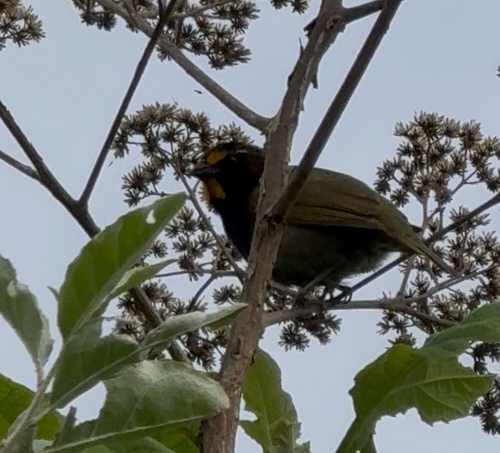
  16. Yellow-faced Grassquit (Tiaris olivaceus)

    Birds

    Yellow-faced Grassquit

    Tiaris olivaceus

    • Research grade

    The yellow-faced grassquit (Tiaris olivaceus) is a passerine bird from the Central American tropics and surrounding regions. It was formerly allied with the American sparrows and placed in Emberizidae; actually, however, it is one of the tholospizan "finches" which are specialized tanagers (Thraupidae). As such, it is closely related to the famous Darwin's finches.

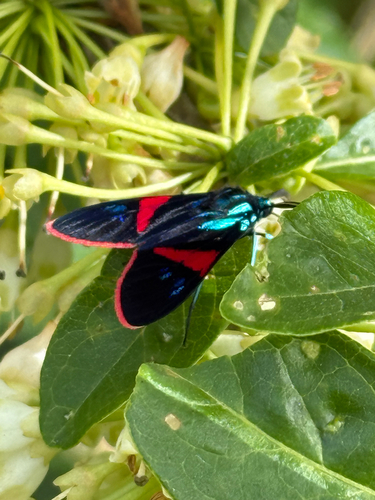
  17. Cyanopepla scintillans (Cyanopepla scintillans)

    Butterflies & moths

    Cyanopepla scintillans

    Erebidae · Underwing, Tiger, Tussock, and Allied Moths

    • Research grade

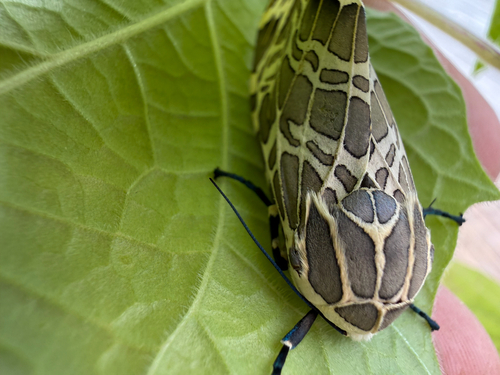
    Cyanopepla scintillans is a moth of the Arctiidae family. It was described by Arthur Gardiner Butler in 1872. It is found in Costa Rica and Panama.

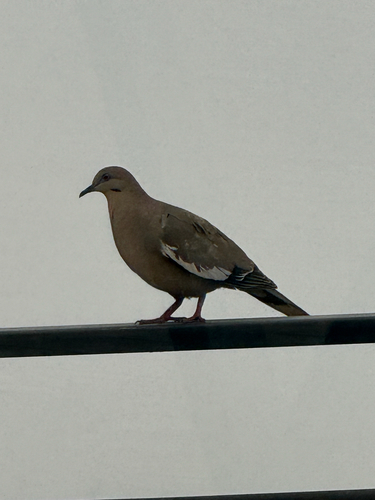
  18. White-winged Dove (Zenaida asiatica)

    Birds

    White-winged Dove

    Zenaida asiatica

    • Research grade

    The white-winged dove (Zenaida asiatica) is a dove whose native range extends from the south-western United States through Mexico, Central America, and the Caribbean. In recent years with increasing urbanization and backyard feeding, it has expanded throughout Texas, into Oklahoma, Louisiana and coastal Mississippi. It has also been introduced to Florida.

  19. Rufous-collared Sparrow (Zonotrichia capensis)

    Birds

    Rufous-collared Sparrow

    Zonotrichia capensis

    • Research grade

    The rufous-collared sparrow or Andean sparrow (Zonotrichia capensis) is an American sparrow found in a wide range of habitats, often near humans, from the extreme south-east of Mexico to Tierra del Fuego, and on the island of Hispaniola. It is famous for its diverse vocalizations, which have been intensely studied since the 1970s, particularly by Paul Handford and Stephen C. Lougheed (UWO), Fernando Nottebohm (Rockefeller University) and Pablo Luis Tubaro (UBA). Local names for this bird...

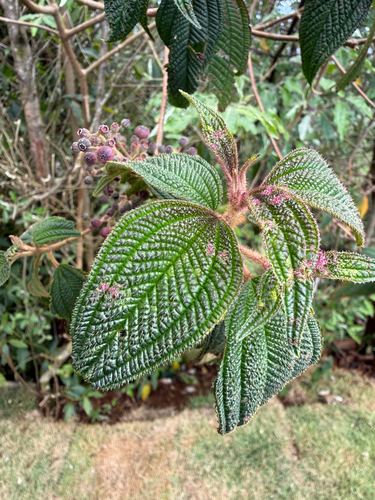
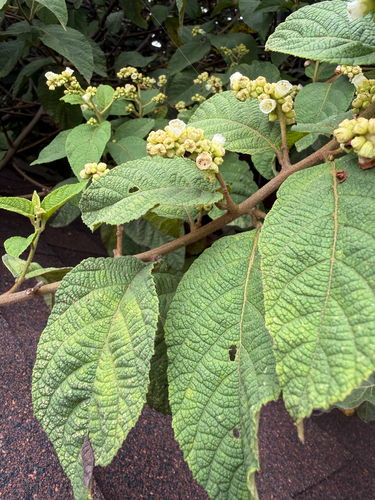
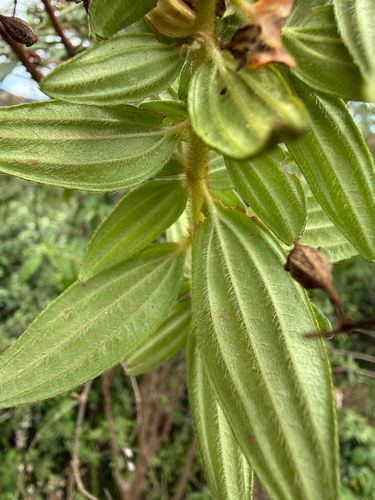
  20. Miconia subseriata (Miconia subseriata)

    Plants & trees

    Miconia subseriata

    Melastomataceae · Melastomes

    • Research grade

    Miconia subseriata is a species of plant in the family Melastomataceae. It is a shrub or tree which ranges from Oaxaca and Chiapas in southern Mexico through Central America to Colombia, Ecuador, and northwestern Venezuela.

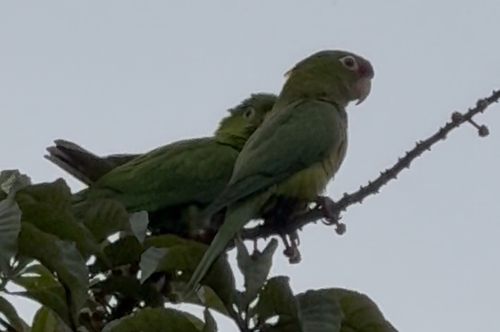
  21. Crimson-fronted Parakeet (Psittacara finschi)

    Birds

    Crimson-fronted Parakeet

    Psittacara finschi

    • Research grade

    The Finsch's parakeet (Psittacara finschi), also known as the crimson-fronted parakeet or Finsch's conure, is a small green Neotropical parrot. It is found in Nicaragua, Costa Rica and western Panama. Its natural habitats are subtropical or tropical moist lowland forests and heavily degraded former forest.

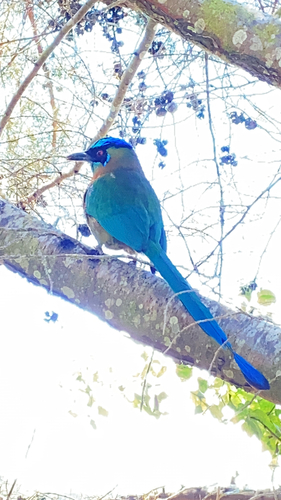
  22. Lesson's Motmot (Momotus lessonii)

    Birds

    Lesson's Motmot

    Momotus lessonii

    • Research grade

    The Lesson's motmot or blue-diademed motmot (Momotus lessonii) is a colorful near-passerine bird found in forests and woodlands of southern Mexico to western Panama. This species and the blue-capped motmot, whooping motmot, Trinidad motmot, Amazonian motmot, and Andean motmot were all considered conspecific.

  23. Mexican Silverspot (Dione moneta)

    Butterflies & moths

    Mexican Silverspot

    Dione moneta

    • Research grade

    Dione moneta, the Mexican silverspot, is a species of butterfly of the subfamily Heliconiinae in the family Nymphalidae found from southern United States to South America.

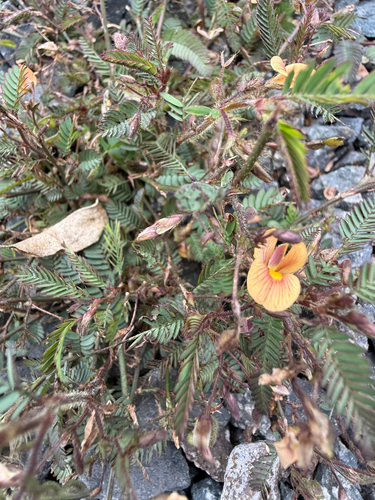
  24. Shyleaf (Aeschynomene americana)

    Plants & trees

    Shyleaf

    Aeschynomene americana

    • Awaiting community ID

    Aeschynomene americana is a species of flowering plant in the family Fabaceae (legume) known by many common names, including shyleaf, forage aeschynomene, American joint vetch (United States and Australia), thornless mimosa (Sri Lanka), bastard sensitive plant (Jamaica), pega pega, pega ropa, antejuela, ronte, cujicillo, and dormilonga (Latin America). It is native to Central America, parts of South America, the West Indies, and Florida.

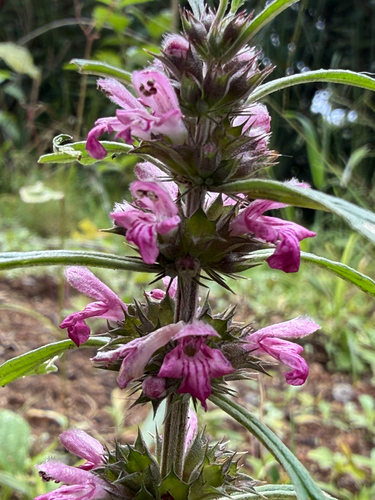
  25. Chinese motherwort (Leonurus japonicus)

    Plants & trees

    Chinese motherwort

    Leonurus japonicus

    • Awaiting community ID

    Leonurus japonicus, commonly called Oriental motherwort or Chinese motherwort, is a herbaceous flowering plant native to Asia, including Korea and Japan, and China to Cambodia.

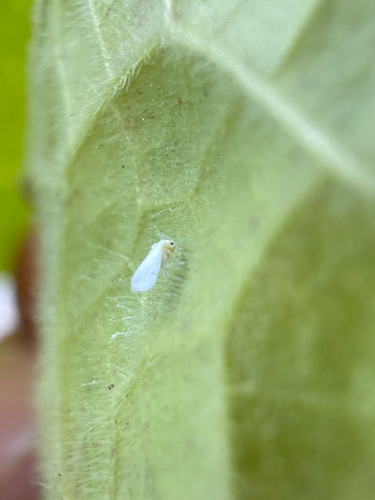
  26. Greenhouse Whitefly (Trialeurodes vaporariorum)

    Insects & arachnids

    Greenhouse Whitefly

    Trialeurodes vaporariorum

    • Awaiting community ID

    Trialeurodes vaporariorum, commonly known as the glasshouse whitefly or greenhouse whitefly, is an insect that inhabits the world's temperate regions. Like various other whiteflies, it is a primary insect pest of many fruit, vegetable and ornamental crops. It is frequently found in glasshouses (greenhouses), polytunnels, and other protected horticultural environments. Adults are 1–2 mm in length, with yellowish bodies and four wax-coated wings held near parallel to the leaf surface.

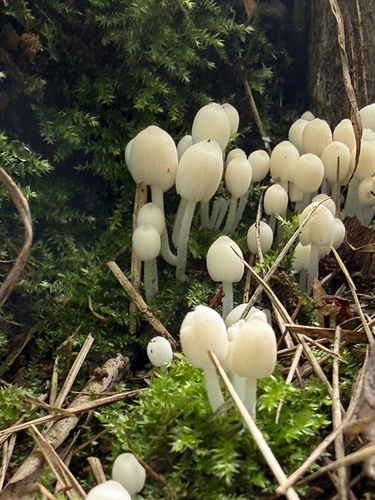
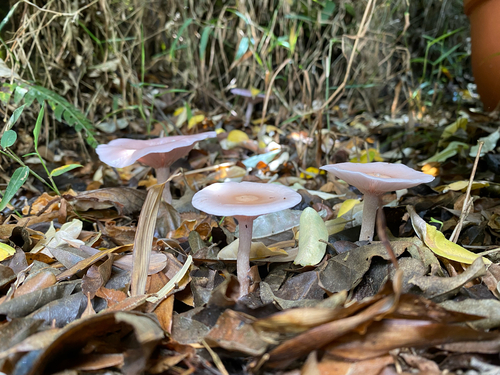
  27. Trooping Crumble Cap (Coprinellus disseminatus)

    Fungi

    Trooping Crumble Cap

    Coprinellus disseminatus

    • Awaiting community ID

    Coprinellus disseminatus (formerly Coprinus disseminatus; commonly known as "fairy inkcap" or "trooping crumble cap") is a species of agaric fungus in the family Psathyrellaceae. Unlike most other coprinoid mushrooms, C. disseminatus does not dissolve into black ink (deliquesce) in maturity. The species was given its current name in 1939 by Jakob Emanuel Lange. The mushroom is edible but of low quality.

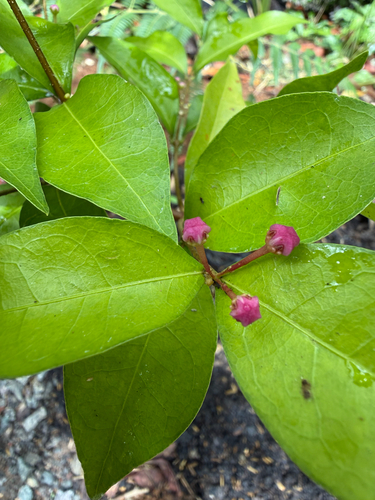
  28. Wild crapemyrtle (Malpighia glabra)

    Plants & trees

    Wild crapemyrtle

    Malpighia glabra

    • Awaiting community ID

    Malpighia glabra is a tropical fruit-bearing shrub or small tree in the family Malpighiaceae. It has often been confused with the cultivated crop tree M. emarginata, but has small insipid fruit and a very different flower structure.

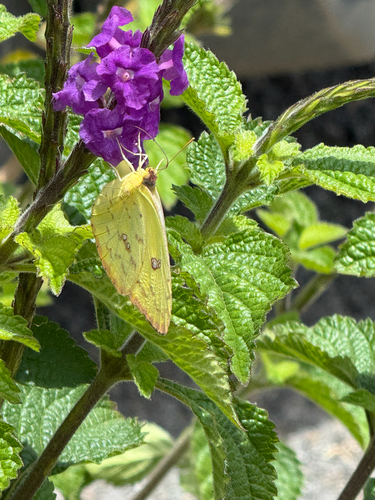
  29. Cloudless Sulphur (Phoebis sennae)

    Butterflies & moths

    Cloudless Sulphur

    Phoebis sennae

    • Awaiting community ID

    Phoebis sennae, the cloudless sulphur or cloudless giant sulphur, is a mid-sized butterfly in the family Pieridae found in the New World. There are several similar species such as the yellow angled-sulphur (Anteos maerula), which has angled wings, statira sulphur (Aphrissa statira), and other sulphurs, which are much smaller.

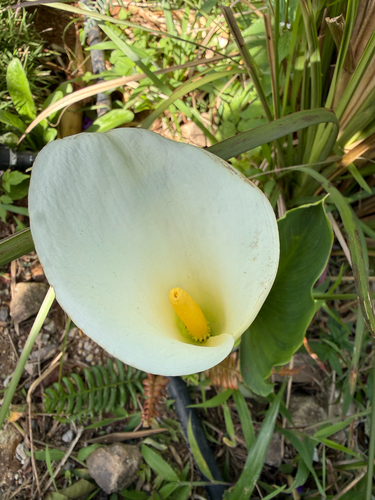
  30. Calla lily (Zantedeschia aethiopica)

    Plants & trees

    Calla lily

    Zantedeschia aethiopica

    • Awaiting community ID
    • Introduced

    Zantedeschia aethiopica (known as calla lily and arum lily) is a species in the family Araceae, native to southern Africa in Lesotho, South Africa, and Swaziland.

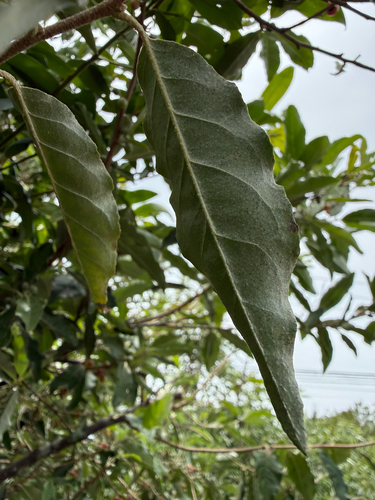
  31. Autumn olive (Elaeagnus umbellata)

    Plants & trees

    Autumn olive

    Elaeagnus umbellata

    • Awaiting community ID
    • Introduced

    Elaeagnus umbellata is known as Japanese silverberry, umbellata oleaster, autumn olive, autumn elaeagnus, or spreading oleaster. The species is indigenous to eastern Asia and ranges from the Himalayas eastwards to Japan. Because it fixes atmospheric nitrogen in its roots, it often grows vigorously and competitively in infertile soils.

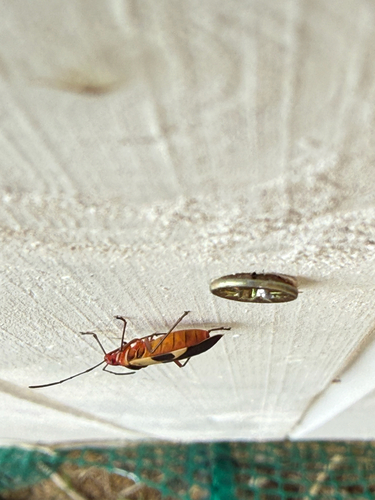
  32. Turk's cap red bug (Dysdercus concinnus)

    Insects & arachnids

    Turk's cap red bug

    Dysdercus concinnus

    • Awaiting community ID

    Dysdercus concinnus, known generally as the pale red bug or Turk's cap red bug, is a species of red bug in the family Pyrrhocoridae. It is found in Central America, North America, and South America.

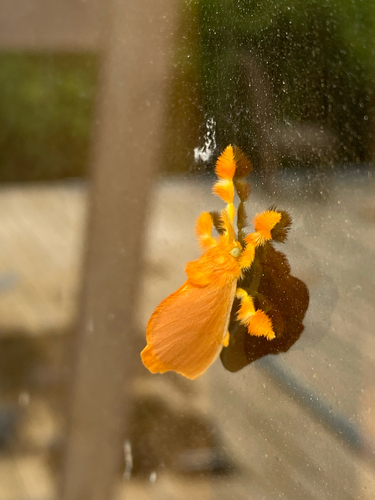
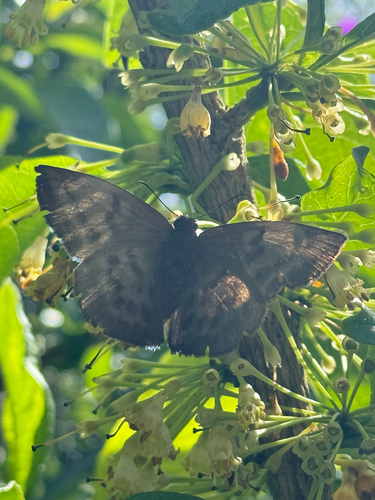
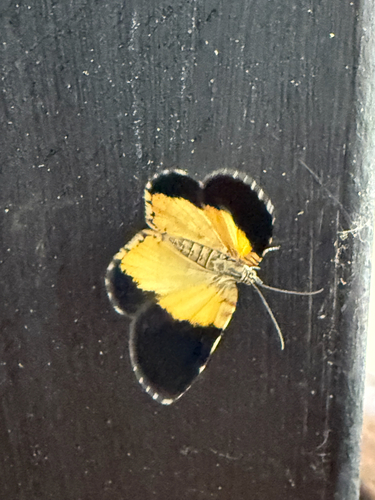
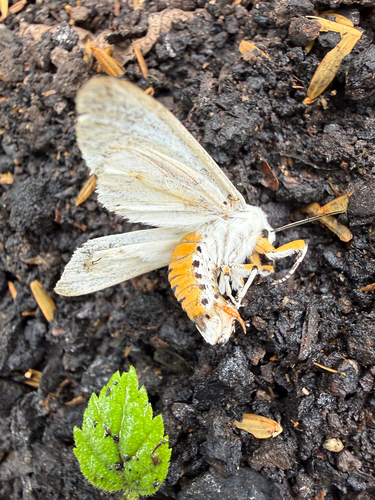
  33. Orange Satyr-Moth (Heterusia atalantata)

    Butterflies & moths

    Orange Satyr-Moth

    Heterusia atalantata

    • Awaiting community ID

    Heterusia atalantata is a species of geometrid moth in the family Geometridae. It is found in Central America, North America, and South America.

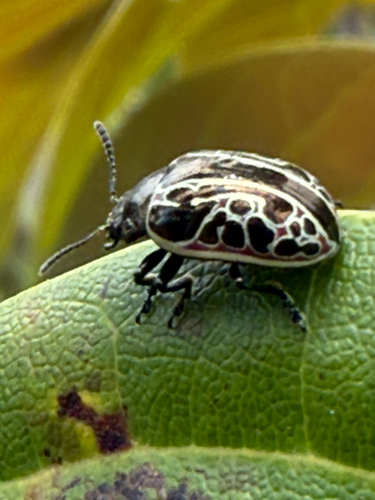
  34. Calligrapha elegantula (Calligrapha elegantula)

    Insects & arachnids

    Calligrapha elegantula

    Chrysomelidae · Leaf Beetles

    • Awaiting community ID

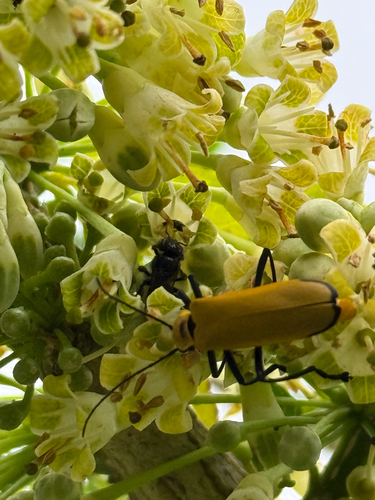
    Calligrapha elegantula is a species of beetles in the subfamily Chrysomelinae (a subfamily of leaf beetles). It is found in Costa Rica.

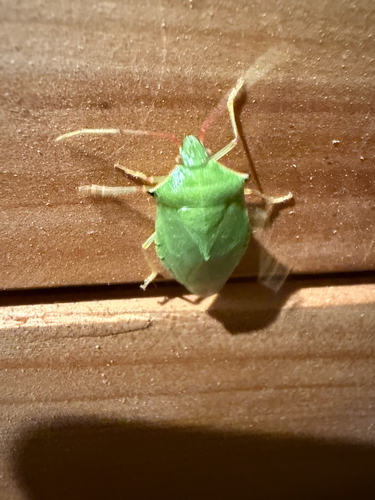
  35. Chlorocoris distinctus (Chlorocoris distinctus)

    Insects & arachnids

    Chlorocoris distinctus

    Pentatomidae · Stink Bugs

    • Awaiting community ID

    Chlorocoris distinctus is a species of stink bug in the family Pentatomidae. It is found in Central America, North America, and South America.

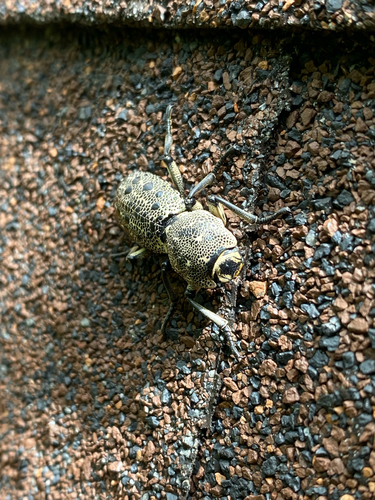
  36. Zopherus jourdani (Zopherus jourdani)

    Insects & arachnids

    Zopherus jourdani

    Zopheridae · Ironclad beetles

    • Awaiting community ID

    Zopherus is a genus of beetles comprising 19 species. They live in the Americas and are adapted to wood-boring. Some species are used as living brooches.

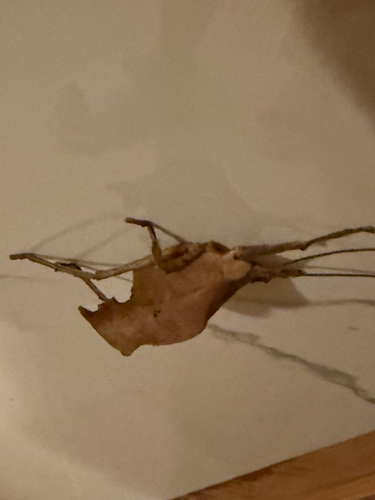
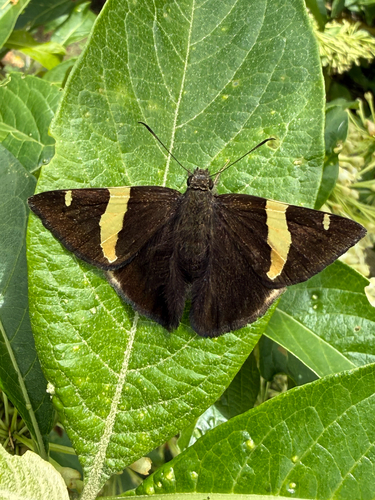
  37. Markia hystrix (Markia hystrix)

    Insects & arachnids

    Markia hystrix

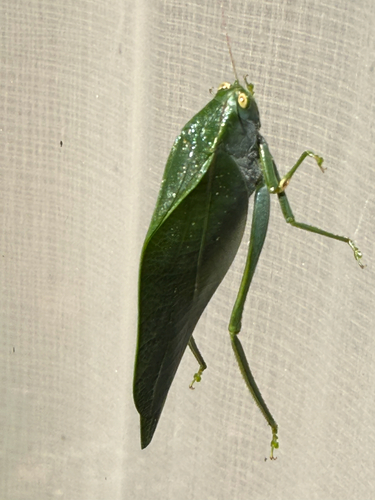
    species complex Tettigoniidae · Katydids

    • Awaiting community ID

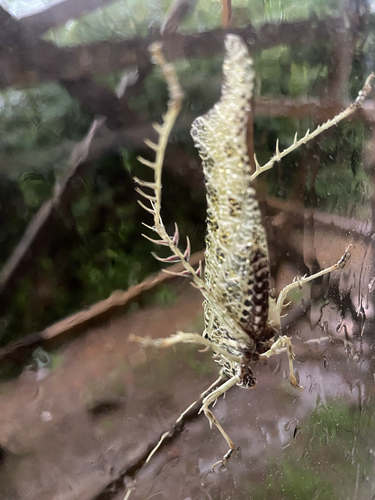
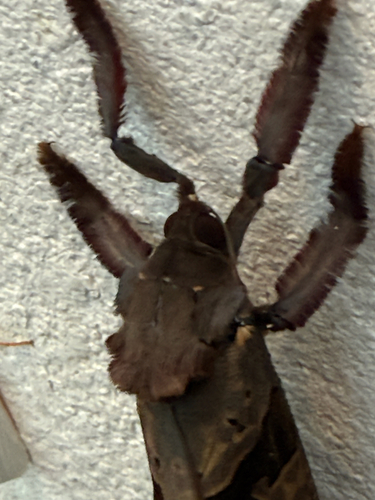
    Markia hystrix is a species of katydid in the subfamily Phaneropterinae. It occurs in highlands of western and central Colombia and in southern Panama, up to an altitude of at least 1,800 m (5,900 ft); although sometimes reported from elsewhere, this is due to confusion with other species in the genus Markia, all of which are known as lichen katydids. These highly spiny katydids are very well camouflaged, with colors and patterns that closely resemble the Usnea lichen...

  38. Angulate and Roundshouldered Orbweavers (Araneus)

    Insects & arachnids

    Angulate and Roundshouldered Orbweavers

    genus Araneus

    • Awaiting community ID

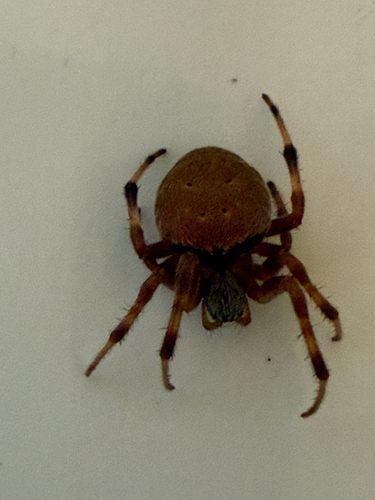
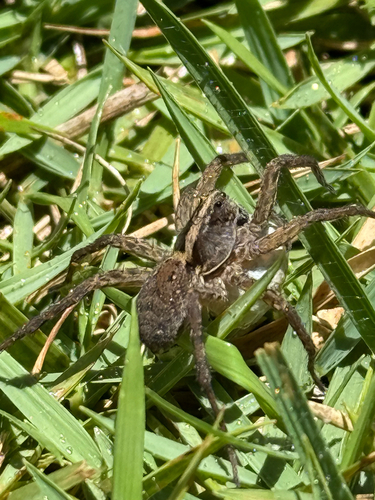
    Araneus is a genus of common orb-weaving spiders. It includes about 650 species, among which are the European garden spider and the barn spider.

  39. Kiekie (Kiekie)

    Insects & arachnids

    Kiekie

    genus Ctenidae · Wandering Spiders

    • Awaiting community ID

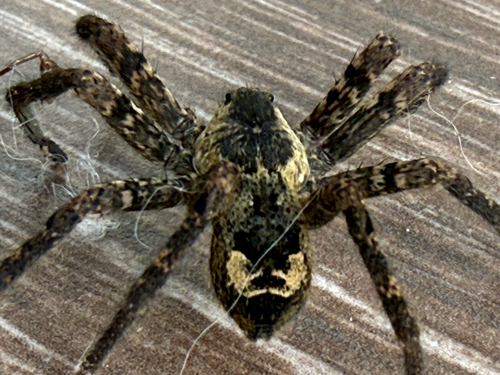
    Kiekie is a genus of wandering spiders first described by D. Polotow and Antônio Domingos Brescovit in 2018. The type species, Kiekie sinuatipes, was originally described under the name "Ctenus sinuatipes".

  40. Oxyptera (Oxyptera)

    Butterflies & moths

    Oxyptera

    genus Erebidae · Underwing, Tiger, Tussock, and Allied Moths

    • Awaiting community ID
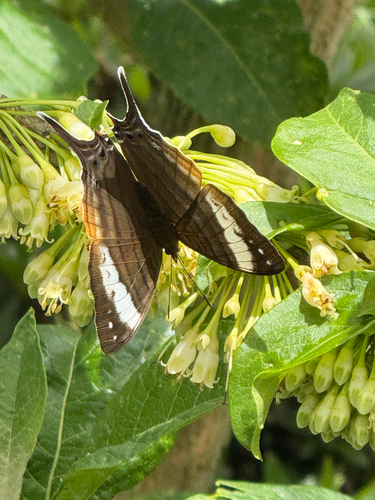
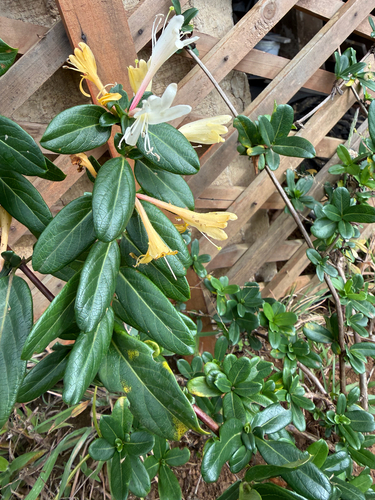
  41. Honeysuckles (Lonicera)

    Plants & trees

    Honeysuckles

    genus Lonicera

    • Awaiting community ID

    Honeysuckles (Lonicera, /lɒˈnɪsərə/; syn. Caprifolium Mill.) are arching shrubs or twining bines in the family Caprifoliaceae, native to the Northern Hemisphere. Approximately 180 species of honeysuckle have been identified. About 100 of these species can be found in China and approximately 20 native species have been identified in Europe, 20 in India, and 20 in North America. Widely known species include Lonicera periclymenum (honeysuckle or woodbine), Lonicera japonica (Japanese honeysuckle, white honeysuckle, or Chinese honeysuckle) and...

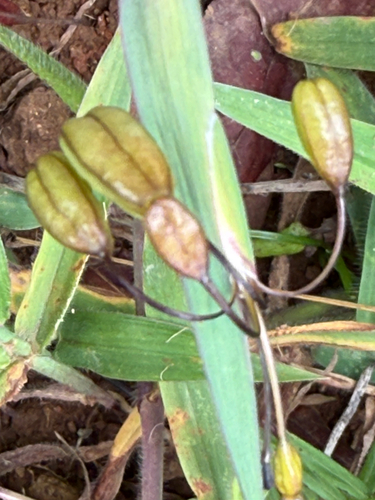
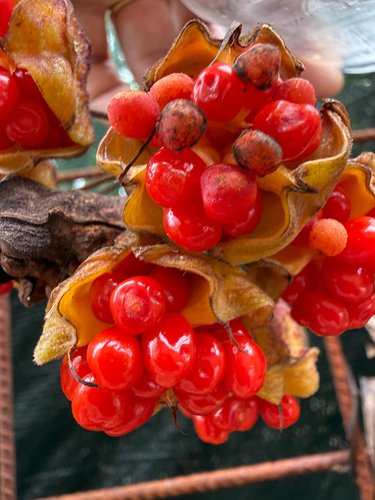
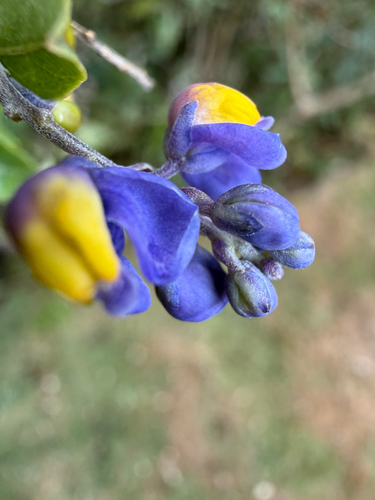
  42. Bomarea (Bomarea)

    Plants & trees

    Bomarea

    genus Alstroemeriaceae · Peruvian Lily family

    • Awaiting community ID

    Bomarea is one of the two major genera in the plant family Alstroemeriaceae. Most occur in the Andes, but some occur well into Central America, Mexico and the West Indies. Some species are grown as ornamental plants.

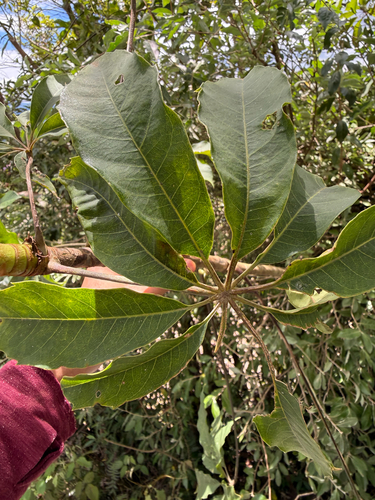
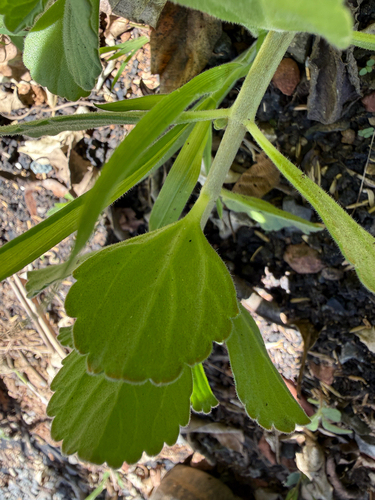
  43. Hullworts (Coleus)

    Plants & trees

    Hullworts

    genus Coleus

    • Awaiting community ID

    Coleus is a genus of annual or perennial herbs or shrubs, sometimes succulent, sometimes with a fleshy or tuberous rootstock, found in the Old World tropics and subtropics. The relationship among the genera Coleus, Solenostemon and Plectranthus has been confused. Coleus and Solenostemon were sunk into Plectranthus, but recent phylogenetic analysis found Plectranthus to be paraphyletic with respect to other related genera in the subtribe Plectranthinae. The most recent taxonomic treatment of the genus resurrected Coleus,...

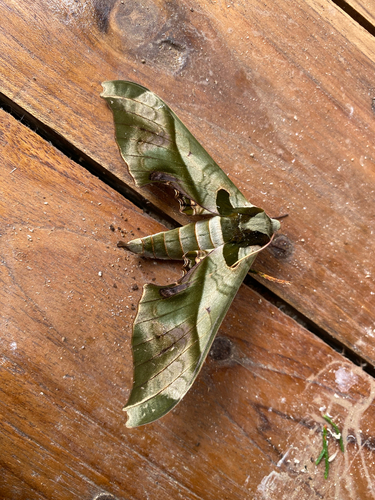
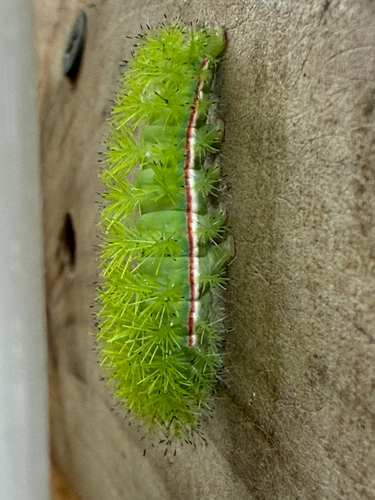
  44. Eyed Silkmoths (Automeris)

    Butterflies & moths

    Eyed Silkmoths

    genus Automeris

    • Awaiting community ID

    Automeris is a genus of moths in the family Saturniidae and the subfamily Hemileucinae. As of the year 1996 there were 124 species, and more have since been described. These moths are generally characterized by the eyelike patches on the hindwings and the leaflike pattern on the forewings, an example of crypsis. The genus is distributed in the Neotropic ecozone.

  45. Sages (Salvia)

    Plants & trees

    Sages

    genus Salvia

    • Awaiting community ID

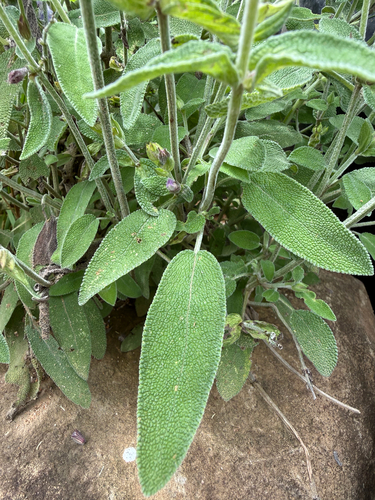
    Salvia is the largest genus of plants in the mint family, Lamiaceae, with nearly 1000 species of shrubs, herbaceous perennials, and annuals. Within the Lamiaceae, Salvia is part of the tribe Mentheae within the subfamily Nepetoideae. One of several genera commonly referred to as sage, it includes the widely produced herb used in cooking, Salvia officinalis (common sage, or just "sage").

  46. Epidendrum (Epidendrum)

    Plants & trees

    Epidendrum

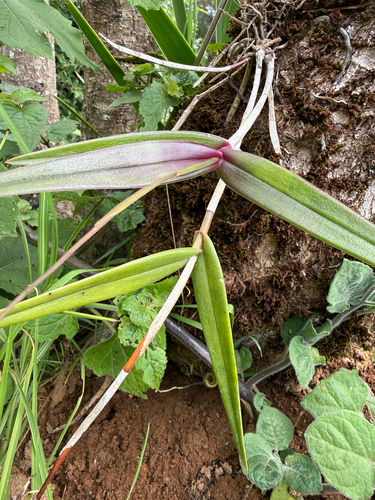
    genus Orchidaceae · Orchids

    • Awaiting community ID

    Epidendrum /ˌɛpɪˈdɛndrəm/, abbreviated Epi in the horticultural trade, is a large neotropical genus of the orchid family. With more than 1,500 species, some authors describe it as a mega-genus. The genus name (from Greek ɛpɨ, epi and δένδρον, dendron, "upon trees") refers to its epiphytic growth habit.

  47. Turkey-tails and allies (Trametes)

    Fungi

    Turkey-tails and allies

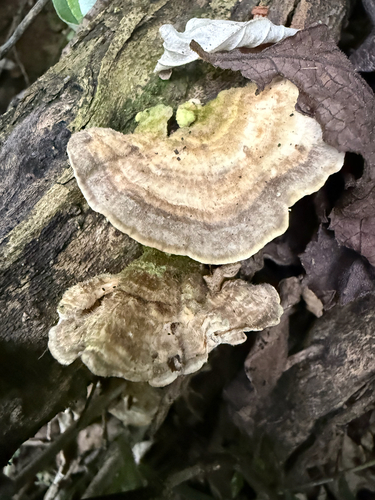
    genus Trametes

    • Awaiting community ID

    Trametes is a genus of fungi that is distinguished by a pileate basidiocarp, di- to trimitic hyphal systems, smooth non-dextrinoid spores, and a hymenium usually without true hymenial cystidia. The genus has a widespread distribution and contains about fifty species. The genus was first described by Elias Magnus Fries in 1835.

  48. Anoles (Anolis)

    Reptiles & amphibians

    Anoles

    genus Anolis

    • Awaiting community ID

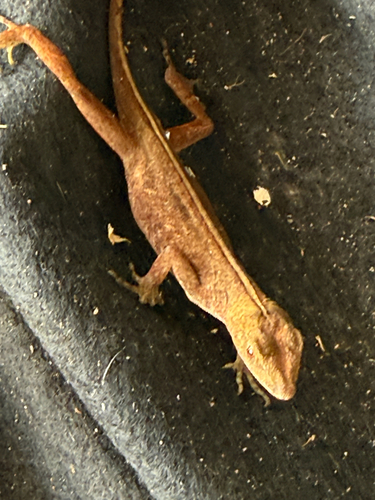
    Anolis, or anoles, is a genus of iguanian (anole) lizards belonging to the family Dactyloidae. With 391 species, Anolis represents the world's most species-rich amniote tetrapod genus. Previously, it was classified under the invalid Polychrotidae family that contained all the anoles including Polychrus, but recent studies place it under Dactyloidae.

  49. St. John's worts (Hypericum)

    Plants & trees

    St. John's worts

    genus Hypericum

    • Awaiting community ID

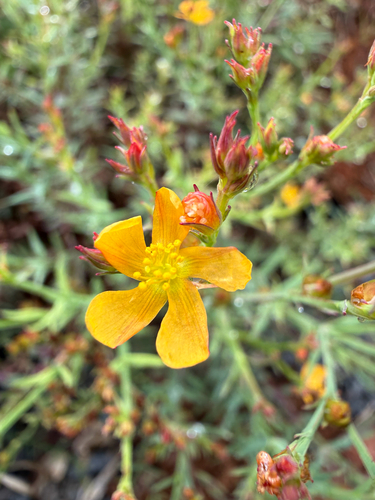
    Hypericum /ˌhaɪˈpiːrɪkəm/ is a genus of flowering plants in the family Hypericaceae (formerly considered a subfamily of Clusiaceae). The genus has a nearly worldwide distribution, missing only from tropical lowlands, deserts and polar regions. Many Hypericum species are regarded as invasive species and noxious weeds. All members of the genus may be referred to as St. John's wort, and some are known as goatweed. The white or pink flowered marsh St. John's worts of North American

  50. Varronia (Varronia)

    Plants & trees

    Varronia

    genus Boraginaceae · borage family

    • Awaiting community ID

    Varronia is a genus of flowering plants in the family Boraginaceae, found throughout Latin America (except Chile and Patagonia), the Caribbean, and in the US states of Texas and Florida. They were resurrected from Cordia in 2007.

  51. Paratetrapedia (Paratetrapedia)

    Insects & arachnids

    Paratetrapedia

    genus Apidae · Honey Bees, Bumble Bees, and Allies

    • Awaiting community ID
  52. Monnina (Monnina)

    Plants & trees

    Monnina

    genus Polygalaceae · milkworts

    • Awaiting community ID

    Monnina is a genus of flowering plants in the family Polygalaceae. There are 150 to 200 species distributed throughout the Americas from the United States to Patagonia.

  53. Phaegopterina (Phaegopterina)

    Butterflies & moths

    Phaegopterina

    subtribe Erebidae · Underwing, Tiger, Tussock, and Allied Moths

    • Awaiting community ID

    The Phaegopterina are a subtribe of tiger moths in the Arctiini tribe, which is a part of the Erebidae family. It contains the arctiine tussock moths (a name more commonly associated with the Lymantriinae).

  54. Eudamina (Eudamina)

    Butterflies & moths

    Eudamina

    subtribe Hesperiidae · Skippers

    • Awaiting community ID

    The Eudaminae are a subfamily of skipper butterflies (family Hesperiidae). Their original type genus Eudamus is today a junior synonym of Urbanus. They are largely found in the Neotropics, with some extending into temperate North America, and one genus, Lobocla, endemic to East Asia.

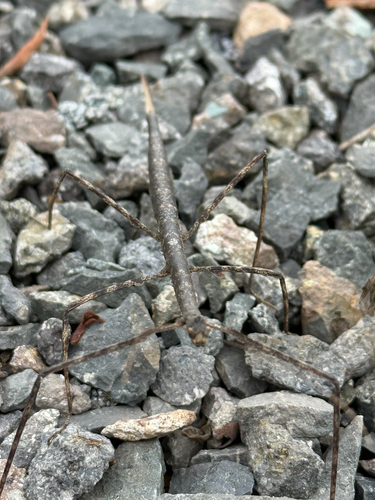
  55. Diapheromerini (Diapheromerini)

    Insects & arachnids

    Diapheromerini

    tribe Diapheromeridae · Common Walking Stick Insects

    • Awaiting community ID

    Diapheromerini is a tribe of walkingsticks in the family Diapheromeridae. There are at least 30 genera Diapheromerini.

  56. Microcentrini (Microcentrini)

    Insects & arachnids

    Microcentrini

    tribe Tettigoniidae · Katydids

    • Awaiting community ID

    The Phaneropterinae, the sickle-bearing bush crickets or leaf katydids, are a subfamily of insects within the family Tettigoniidae. Nearly 2,060 species in 85 genera throughout the world are known. They are also known as false katydids or round-headed katydids.

  57. Harpactorini (Harpactorini)

    Insects & arachnids

    Harpactorini

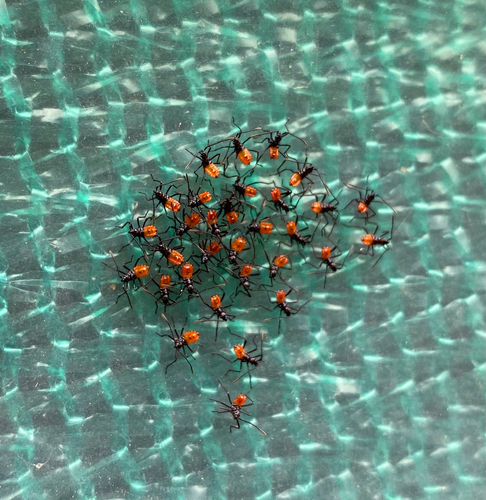
    tribe Reduviidae · Assassin Bugs

    • Awaiting community ID

    Harpactorini is a tribe of the Harpactorinae (assassin bugs). This group is the most diverse of the entire assassin bug family, with 51 genera recognized in the Neotropical Region and 289 genera and 2003 species overall.

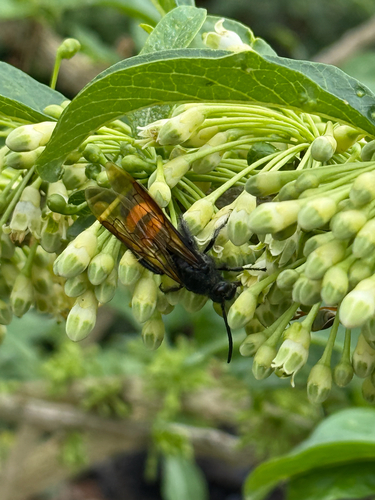
  58. Paper Wasps (Polistinae)

    Insects & arachnids

    Paper Wasps

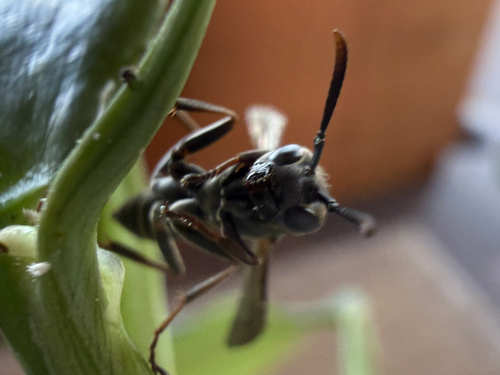
    subfamily Polistinae

    • Awaiting community ID

    The Polistinae are eusocial wasps closely related to the more familiar yellow jackets, but placed in their own subfamily, containing four tribes; with some 1100 species total, it is the second-most diverse subfamily within the Vespidae, and while most species are tropical or subtropical, they include some of the most frequently encountered large wasps in temperate regions. They are also known as paper wasps, which is a misleading term since other wasps (including yellow jackets) also...

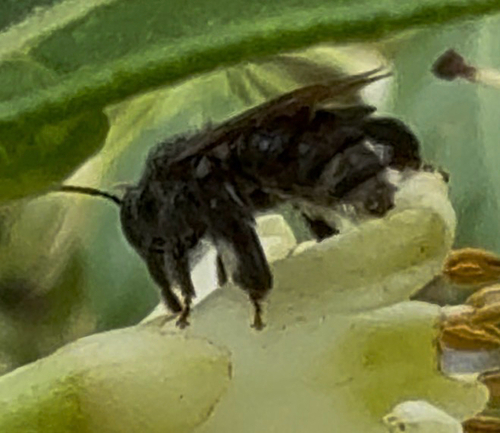
  59. Sweat and Furrow bees (Halictinae)

    Insects & arachnids

    Sweat and Furrow bees

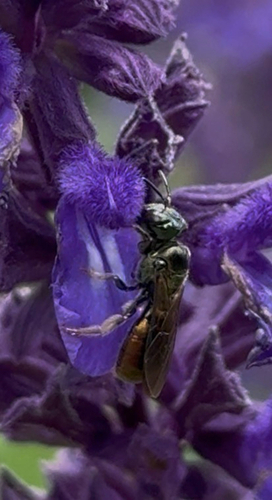
    subfamily Halictinae

    • Awaiting community ID

    Within the insect order Hymenoptera, the Halictinae are the largest, most diverse, and most recently diverged of the four halictid subfamilies. They comprise over 2400 bee species belonging to the five taxonomic tribes Augochlorini, Thrinchostomini, Caenohalictini, Sphecodini, and Halictini, which some entomologists alternatively organize into the two tribes Augochlorini and Halictini.

  60. Brown Lacewings (Hemerobiidae)

    Insects & arachnids

    Brown Lacewings

    family Hemerobiidae

    • Awaiting community ID

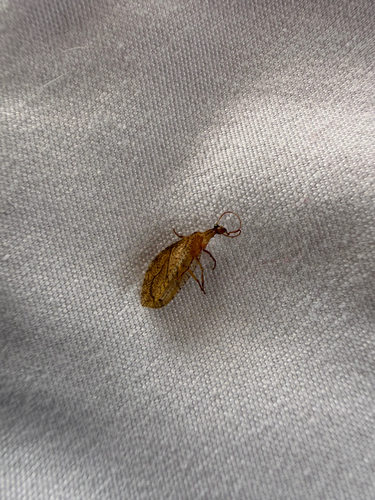
    Hemerobiidae is a family of Neuropteran insects commonly known as brown lacewings, comprising about 500 species in 28 genera. Most are yellow to dark brown, but some species are green. They are small; most have forewings 4–10 mm long (some up to 18 mm). These insects differ from the somewhat similar Chrysopidae (green lacewings) not only by the usual coloring but also by the wing venation: hemerobiids differ from chrysopids in having numerous long veins (two or more...

  61. Hylid Tree Frogs (Hylidae)

    Reptiles & amphibians

    Hylid Tree Frogs

    family Hylidae

    • Awaiting community ID

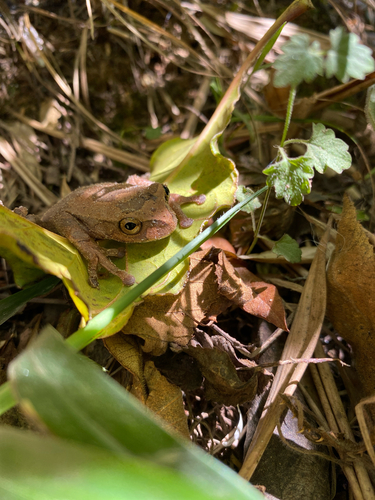
    Hylidae is a wide-ranging family of frogs commonly referred to as "tree frogs and their allies". However, the hylids include a diversity of frog species, many of which do not live in trees, but are terrestrial or semiaquatic.

Observations and photographs © Domo Akari on iNaturalist (CC BY-NC). Species summaries from Wikipedia (CC BY-SA). Last updated 3 Nov 2026.

05El Camino de Costa Rica

From sea to sea, on foot

El Camino de Costa Rica crosses the country on foot between the Caribbean and the Pacific — about 280 kilometres through rural communities, forests and coffee country. Domo Akari stands beside the route, in El Cedral.

The trail is cared for by the Asociación Mar a Mar, a non-profit that works with the communities along the way. It is usually walked in 12 to 16 days between Parismina, on the Caribbean, and Quepos, on the Pacific — and you can start from either coast.

El Cedral lies on Stage 12, between Cerro Alto and San Pablo de León Cortés, in the coffee country of Los Santos. Walking from the Caribbean, you reach us after crossing Empalme, the highest point of the whole Camino; walking from the Pacific, we are on the climb towards it.

kilometres, coast to coast
≈ 280
stages
16
days, typically
12–16
is our stage
12

Why hikers stop here

  • Right on Stage 12

    Kilometre 201.3 of the route, counted from the Caribbean — just 400 m off the trail.

  • Hot shower & laundry

    Wash the trail off, do a load of laundry and charge up on Wi-Fi.

  • Breakfast before the trail

    Start the next stretch well fed — breakfast can be included in your stay.

  • Room for your group

    Up to 8 guests indoors, plus covered space for camping.

The Camino’s own advice is to book lodging one to two weeks ahead — by WhatsApp, just like this.

The route across Costa Rica

Caribbean SeaPacific OceanSan JoséCartagoParisminaQueposDomo AkariEl Cedral · Stage 12
Route drawn from the official GPX tracks of the Asociación Mar a Mar. For planning and navigation, use the official maps.

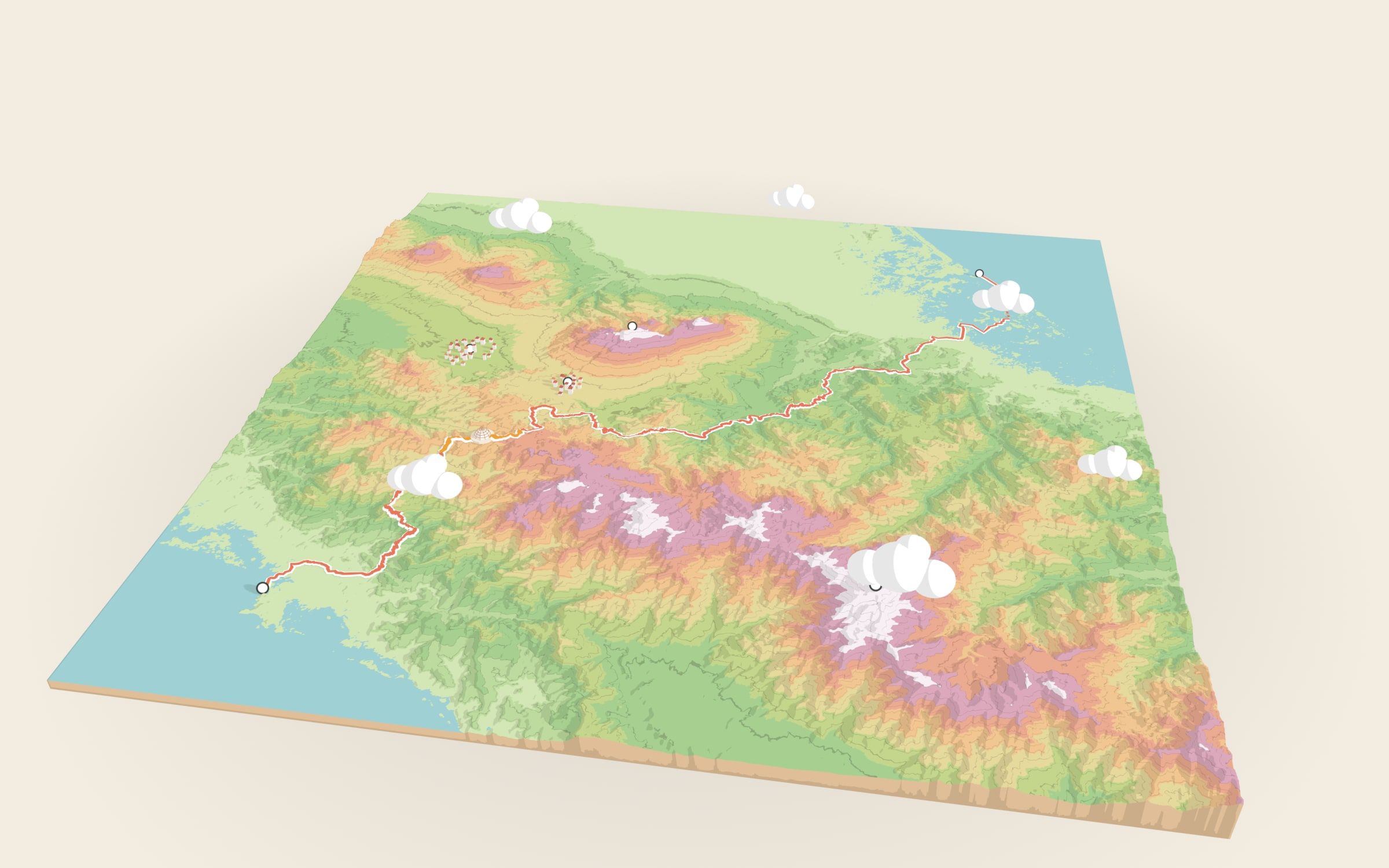
See the climb in 3D

The whole route over the mountains, from your sofa. Hover or tap a stage to see its distance and climb.

Illustrated 3D map of central Costa Rica with El Camino de Costa Rica from the Pacific to the Caribbean and Domo Akari on Stage 12
Drag to rotate · scroll or pinch to zoom · right-drag or two fingers to pan.

From sea to sea, in profile

1A1B23456789101112131415165001,0001,5002,0002,500mHighest pointDomo AkariCaribbean SeaPacific Ocean
Elevation along the official GPX tracks, Caribbean (left) to Pacific (right). The Camino can be walked in either direction.

Altitude & climate

above sea level at Domo Akari — among the highest stretches of the whole Camino
≈ 2,100 m
of the Camino lies lower than the dome
96%
cooler than on the coasts: air cools roughly 6 °C for every 1,000 m you climb
12–14 °C

Come prepared

  • A warm layer for cool mornings and evenings
  • A rain jacket — mountain weather changes quickly
  • Sun protection — UV is stronger at altitude
  • Dry clothes to change into after the trail
All stages
StageRouteDistanceClimb / descentLevel
1A(opens in a new tab)Parismina → Muelle Goshen (by boat)5.5 km+1 / −2 mBeginner
1B(opens in a new tab)Muelle Goshen → Cimarrones23.5 km+104 / — mIntermediate
2(opens in a new tab)Cimarrones → Las Brisas de Pacuarito14.6 km+725 / −196 mIntermediate
3(opens in a new tab)Las Brisas de Pacuarito → Tsiobata12.5 km+550 / −664 mAdvanced
4(opens in a new tab)Tsiobata → Finca Tres Equis6.2 km+441 / −271 mIntermediate
5(opens in a new tab)Tres Equis → Pacayitas13.1 km+517 / −257 mBeginner
6(opens in a new tab)Pacayitas → La Suiza12.4 km+371 / −690 mIntermediate
7(opens in a new tab)La Suiza → Humo de Pejibaye18.3 km+728 / −594 mIntermediate
8(opens in a new tab)Humo de Pejibaye → Tapantí National Park16 km+1,165 / −610 mIntermediate
9(opens in a new tab)Tapantí → Navarro del Muñeco23.2 km+932 / −934 mIntermediate
10(opens in a new tab)Navarro del Muñeco → Palo Verde9.09 km+653 / −379 mAdvanced
11(opens in a new tab)Palo Verde → Cerro Alto10 km+928 / −324 mAdvanced
12(opens in a new tab)Cerro Alto → San Pablo de León CortésDomo Akari is on this stage18.8 km+406 / −992 mIntermediate
13(opens in a new tab)San Pablo de León Cortés → Nápoles18.5 km+260 / −275 mIntermediate
14(opens in a new tab)Nápoles → Naranjillo13.4 km+364 / −1,067 mBeginner
15(opens in a new tab)Naranjillo → Esquipulas11.4 km+950 / −1,464 mBeginner
16(opens in a new tab)Esquipulas → Quepos22.4 km+365 / — mIntermediate

Stages are numbered from the Caribbean. Starting on the Pacific? Follow them in reverse, from 16 to 1. Distances and climbs as published by the Asociación Mar a Mar.caminodecostarica.org(opens in a new tab)

06Surroundings

Explore the highlands

Peaks, a forest lagoon, coffee towns and cloud forest — all within reach of the dome. Ask us for directions; we are happy to help you plan the day.

  1. 01Rural tourism park

    Destinos La Lucha

    A rural-tourism park on La Lucha, the farm long associated with former president José Figueres Ferrer — trails, picnic areas and outdoor activities just beyond El Cedral.

    ≈ 1.2 km as the crow flies · Opening days and hours vary — check before you go.

    • Trails & guided walks
    • Camping & picnic areas
    • Horseback riding
    • Downhill mountain biking
  2. 02Peak & viewpoint · 2,258 m

    Cerro La Roca

    One of the highest summits around El Cedral. Just below the top, a rock formation opens onto wide views over the valleys of Los Santos.

    ≈ 3 km as the crow flies · Access and trail conditions vary — ask us before you set out.

    • Hiking
    • Viewpoint
    • Photography
  3. 03Lagoon & private nature reserve

    Laguna Don Manuel

    A small lake inside a private forest reserve, with self-guided trails, picnic shelters and space to camp — a quiet half-day among the trees.

    ≈ 3.6 km as the crow flies · Entrance fee; check opening hours before visiting.

    • Forest trails
    • Birdwatching
    • Picnic & camping
  4. 04Peak · community reforestation

    Cerro La Trinidad

    The hill above San Marcos de Tarrazú. After a fire in 2008, neighbours began replanting its slopes in 2011 — some 20,000 trees by 2016 — as part of a biological corridor between Los Quetzales National Park and the Caraigres Protected Zone.

    ≈ 4.1 km as the crow flies · Ask us about current access before you go.

    • Hiking
    • Views over San Marcos
  5. 05Peak

    Cerro Abejonal

    A hill west of San Pablo de León Cortés. Botanists once described it as the northernmost páramo — the high-altitude grassland best known from the Andes — in the Americas.

    ≈ 4.9 km as the crow flies

    • Views
    • Botany
  6. 06Coffee town

    Santa María de Dota

    The head town of Dota and a centre of Los Santos coffee. Visit the CoopeDota cooperative — credited with the first carbon-neutral certified coffee — and the monument to those who died in the 1948 civil war in its central park.

    ≈ 7.7 km as the crow flies

    • Coffee tours
    • Town & history
  7. 07National park · cloud forest

    Los Quetzales National Park

    Cloud forest named for the resplendent quetzal, rising from 1,240 to 3,190 metres in the Talamanca mountains of Dota.

    Entrance at km 76 of the Inter-American Highway South, at Ojo de Agua de Dota.

    • Birdwatching
    • Cloud-forest trails
  8. 08Cloud-forest valley

    San Gerardo de Dota

    A mountain community in the Savegre valley, at about 2,200 m, bordering Los Quetzales National Park. Known for quetzals — they nest around April and May — cloud-forest trails, a waterfall hike and trout fishing.

    ≈ 27 km as the crow flies

    • Quetzal watching
    • Waterfall hike
    • Trout fishing

07The Table

Mountain flavours, shared

Breakfast with a view, dinners arranged with care, and the honest flavours of the Costa Rican highlands.

  1. Breakfast

    Start the day on the terrace with a Costa Rican breakfast. Depending on your package it is included, or it can be added to your stay.

  2. Dinner

    Prefer not to cook after a long day outdoors? Dinner can be arranged in advance — just let us know when you book.

  3. Local ingredients

    We cook with local ingredients and Costa Rican flavours. And we are in Los Santos, home of Café de Tarrazú — a coffee with its own protected designation of origin.

Meals are prepared to order. Tell us about allergies or dietary preferences when you send your inquiry.

Arrange meals with your stay
The geodesic dome glowing from inside at night, under a halo around the moon

After dark

A lantern on the ridge

When the sun goes down, the dome glows softly against the mountains. On clear nights, step outside: at this altitude and far from the city, the stars feel close.

08Reservations

Plan your stay

Send us your dates and we will reply personally with availability and rates. An inquiry is free and commits you to nothing.

  1. 1

    Send your inquiry

    Choose how you’d like to stay; your message opens in WhatsApp, ready to send.

  2. 2

    We reply personally

    We confirm availability, rates and any meals you’d like.

  3. 3

    Your stay is set

    Once everything is agreed, we confirm your booking.

Loads Google Maps, a third-party service.

Availability inquiry

How would you like to stay?
Dates

Choose your dates to see the length of your stay.

Guests
Extras

Your details are used only to answer your inquiry.

Check availability